
Skin tags, caused by friction, are benign growths treatable at home or by professionals. Non-invasive methods include salicylic acid, cryotherapy, and laser treatments, offering gentle alternatives to surgical removal. Surgical skin tag removal is precise but may cause scarring. Prevention focuses on hygiene, clothing, and essential oils. Combining natural care with expert advice provides best results for persistent tags.
Skin tags are a common yet often annoying skin condition, affecting individuals across various demographics. These small, soft flesh-colored bumps can appear anywhere on the body, causing both aesthetic concerns and discomfort for many people. Traditional surgical skin tag removal has been the go-to method, but it's not without risks and potential side effects.
This article delves into a comprehensive exploration of non-invasive skin tag removal options, offering readers a safer and more gentle approach to addressing this issue. We will discuss advanced techniques that provide effective results without the surgical knife, naturally.
- Understanding Skin Tags: Causes and Types
- Non-Surgical Options for Removal at Home
- Natural Remedies: Chemical Exfoliation Techniques
- Exploring Laser Treatments for Tag Elimination
- Surgical Skin Tag Removal: A Professional Approach
- Prevention and Long-Term Care Strategies
Understanding Skin Tags: Causes and Types
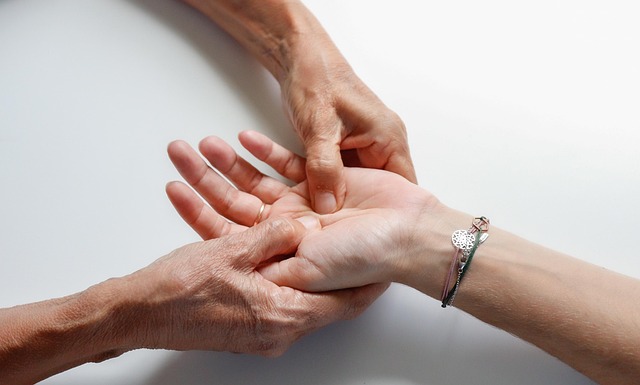
Skin tags are a common skin condition characterized by small, soft, flesh-colored bumps that can appear anywhere on the body. They typically arise from the skin's surface where skin rubs against itself or clothing, such as the neck, armpits, groin, and hands. While they are generally harmless, many individuals seek ways to remove them for cosmetic reasons or to alleviate itching and irritation. Understanding the causes and types of skin tags is a crucial first step in exploring effective removal options, including surgical skin tag removal techniques naturally.
The primary cause of skin tags is friction and trauma to the skin. This can result from tight clothing, frequent rubbing against a surface, or even just normal movements and body contours. Skin tags are composed of collagen and blood vessels, which grow as a response to persistent irritation. They tend to run in families, suggesting a genetic predisposition, and are more common in certain populations, particularly those with higher levels of obesity or diabetes. Certain skin conditions, such as eczema or psoriasis, can also increase the likelihood of developing skin tags.
There are several types of skin tags, each with slightly different characteristics. Common varieties include acrochordons, which are typically small and flesh-colored, and verrucae, which have a rougher texture and may stand out more prominently from the surrounding skin. Location plays a significant role in how individuals perceive and address their skin tags. For instance, those near the neck or on the armpits might cause embarrassment or discomfort when wearing certain clothes, prompting people to seek removal options like surgical skin tag removal techniques naturally or cosmetic procedures in Edinburgh. Alternatively, skin tags in more secluded areas may go unnoticed but still require removal for personal comfort or hygiene reasons. Regardless of their location, it's essential to consider both safe and effective removal methods, with professional advice often recommended for complex cases, especially when exploring options near you, such as skin tag removal services in Exeter.
Non-Surgical Options for Removal at Home

For those seeking non-invasive skin tag removal options at home, there are several promising techniques to consider, offering a more comfortable and convenient alternative to traditional surgical methods. One popular approach is the use of salicylic acid or keratolytic creams, which gently exfoliate the skin and can dissolve tags over time. These topical treatments are widely available and have been clinically proven to be effective for many people. For instance, a study published in the British Journal of Dermatology found that salicylic acid was successful in removing up to 80% of skin tags in some patients.
Another natural method gaining traction is cryotherapy, commonly known as freezing skin tags. This technique involves applying liquid nitrogen to the tag, which damages the skin cells and causes it to fall off over a few days. While it may sound intimidating, cryotherapy is usually quick, relatively painless, and can be done at home with proper guidance. It's important to note that this method might not be suitable for everyone, and seeking advice from skin tag removal specialists in Reading or Cardiff can help determine the best approach for individual cases.
Some individuals prefer more traditional methods like cutting or burning off skin tags with a sterile loop or needle. However, these surgical skin tag removal techniques naturally come with risks of scarring, infection, and bleeding. As such, many opt for non-invasive alternatives. Home kits are now available that include safe and effective tools for removing tags, offering a more controlled environment than traditional procedures. Regular monitoring and cleaning of the affected area are crucial when using these methods to ensure optimal results and prevent complications.
Consulting with skin tag removal specialists in your area, such as those available in Reading or Cardiff, can provide valuable insights tailored to specific concerns. They can offer guidance on suitable at-home treatments, recommend products, and address any common queries, ensuring individuals make informed decisions regarding their skin health.
Natural Remedies: Chemical Exfoliation Techniques

While surgical skin tag removal techniques are commonly sought, many people are now exploring natural remedies for their effectiveness and non-invasive nature. One such method is chemical exfoliation, which offers a gentle yet powerful approach to eliminating skin tags. This technique involves applying specific chemicals to the skin to dissolve the cells that make up the tag, encouraging its gradual disappearance.
The process starts with a thorough cleaning of the area to ensure optimal absorption of the chemical solution. Then, a mild acid, such as salicylic or lactic acid, is topically applied. These acids are known for their exfoliating properties, dissolving dead skin cells and unblocking pores. For example, a study published in the Journal of Dermatology found that salicylic acid was highly effective in removing skin tags with minimal side effects when used correctly. The chemical acts as a natural solvent, gradually breaking down the skin tag over several applications. This method is particularly advantageous for those seeking an alternative to surgical removal, especially in areas like Bournemouth and Leeds where cosmetic procedures vary in availability and cost.
However, it's crucial to approach this remedy with caution. Leaving a skin tag untreated can have varying outcomes. In some cases, tags may remain stable or even shrink slightly due to reduced blood flow to the area. But without professional guidance, there's a risk of infection or irritation if the chemical irritates the sensitive skin. It's essential to understand that while natural remedies offer a gentler approach, they still require dedication and consistency. Regular applications are key to success, and individual results may vary. As with any treatment, seeking advice from a dermatologist is advisable, especially if skin tags persist or cause discomfort, ensuring the best course of action is taken, even if surgical removal in Leeds is not preferred.
Exploring Laser Treatments for Tag Elimination

Laser treatments offer a promising non-invasive approach to skin tag removal, providing an effective alternative to traditional surgical methods. This modern technique has gained popularity due to its precision, minimal downtime, and ability to target specific tags while preserving surrounding skin. Unlike conventional surgical skin tag removal techniques, laser therapy avoids the need for incisions, making it an attractive option for those seeking a more gentle approach.
A range of laser technologies are now available for private skin tag removal in areas like Gillingham, Blackpool, and Bristol. For instance, CO2 lasers emit a powerful beam to vaporize the tag, while lighter wavelengths like Nd:YAG lasers may be preferred for delicate areas. The choice of laser depends on the size, color, and location of the tags, as well as individual skin types. Expert dermatologists or trained specialists carefully select the appropriate laser settings to ensure optimal results with minimal side effects. A single treatment session often proves sufficient, though follow-up sessions may be recommended for more extensive cases.
The benefits of laser treatments extend beyond their non-invasive nature. Many patients appreciate the convenience, as these procedures can typically be performed in a doctor's office or clinic without the need for hospitalization. Additionally, there is generally less pain and discomfort compared to surgical methods, often requiring only topical anesthetics. It's crucial to emphasize that while laser skin tag removal is effective, it may not be suitable for all. Consulting with a qualified professional who can assess individual needs is essential. For instance, patients with dark skin tones might require specialized care to minimize potential pigment changes, highlighting the importance of personalized treatment plans.
Surgical Skin Tag Removal: A Professional Approach

Surgical skin tag removal is a professional approach that offers a precise and effective solution for those seeking to eliminate these small, often harmless yet aesthetically bothersome growths on their skin. This technique, typically performed by experienced dermatologists or medical specialists, involves a meticulous process designed to ensure optimal results with minimal discomfort. Unlike some at-home methods, surgical removal provides a permanent solution by carefully excising the tag and sealing off the base to prevent regrowth.
When considering private skin tag removal in areas like Newark-on-Trent, Sheffield, or Wakefield, it is crucial to consult professionals who can assess the size, location, and number of tags for an accurate diagnosis. The surgical technique involves a small incision around the tag, carefully removing it, and then closing the wound with stitches. This method is particularly effective for larger or more stubborn skin tags, offering a swift and efficient remedy. Post-procedure care includes keeping the area clean and dry, and patients can usually resume normal activities within a day or two, depending on the number of tags treated.
While it may seem straightforward, surgical skin tag removal requires skill and precision to avoid scarring or other complications. It is a popular choice for those seeking a permanent solution without the potential side effects of more aggressive treatments. With advanced medical expertise, Sheffield, Newark-on-Trent, and Wakefield clinics offer this service, ensuring accessibility for those in need of effective skin tag removal.
Prevention and Long-Term Care Strategies

Preventing and managing skin tags in the long term is a strategic approach that goes beyond removal. While surgical skin tag removal techniques offer quick relief, a holistic strategy involving natural methods and expert care can lead to more lasting results.
One effective natural prevention method is maintaining good hygiene and keeping the skin clean and dry. Skin tags often develop in areas of friction or irritation, so addressing these factors is crucial. For instance, wearing loose-fitting clothing and using gentle soaps can significantly reduce the likelihood of skin tag formation, especially in prone areas like the neck, armpits, and groin. In cities like Milton Keynes, Rotherham, and London, where diverse populations and climates exist, understanding these environmental influences is key to personal care. Regular exfoliation and moisturization also play a role, as they help to prevent dead skin from building up, which can contribute to tag formation.
Complementing these practices, certain essential oils like tea tree and lavender oil have shown promise in natural skin tag management. When applied topically with carrier oils, these oils may aid in drying out and shrinking tags. However, it's essential to note that while these natural methods can be effective, they may not offer the same immediate results as surgical removal. For persistent or rapidly growing tags, seeking advice from dermatological experts in London, for instance, is advisable. Professionals like those in top-tier clinics in Milton Keynes and Rotherham can provide tailored advice and safe, effective surgical skin tag removal techniques, ensuring optimal outcomes and setting the foundation for long-term care.
After exploring diverse non-invasive skin tag removal options, it's clear that both at-home methods and professional techniques offer viable paths to achieving smooth, tag-free skin. Home remedies like chemical exfoliation provide gentle, natural solutions, while surgical skin tag removal techniques naturally stand out for their precision and effectiveness. Lasers and professional surgeries ensure thorough elimination with minimal downtime.
Key takeaways include understanding the causes and types of skin tags, embracing prevention strategies, and considering long-term care. By combining these insights with tailored approaches, individuals can make informed decisions, selecting the best method based on their needs and preferences. This comprehensive guide empowers readers to navigate their skin tag removal journey with confidence and expertise.